The Red Cell Engineering Lab within the NUS Synthetic Biology Consortium headed by Prof. Shi Jiahai has multiple research opportunities for students at tertiary educational institutes within Singapore. We are open to taking students through UROPs, summer internships and paid employment. The lab studies red blood cell development, extracellular vesicles (EV) derived from red blood cells as a therapeutic vehicle for delivering drugs and genes, shark nanobodies as a tool to functionalize EV for targeted delivery and other related ad hoc topics.
Project 1. Shark immune system, computer assisted sperm analyzer, nanobody library design and screening.
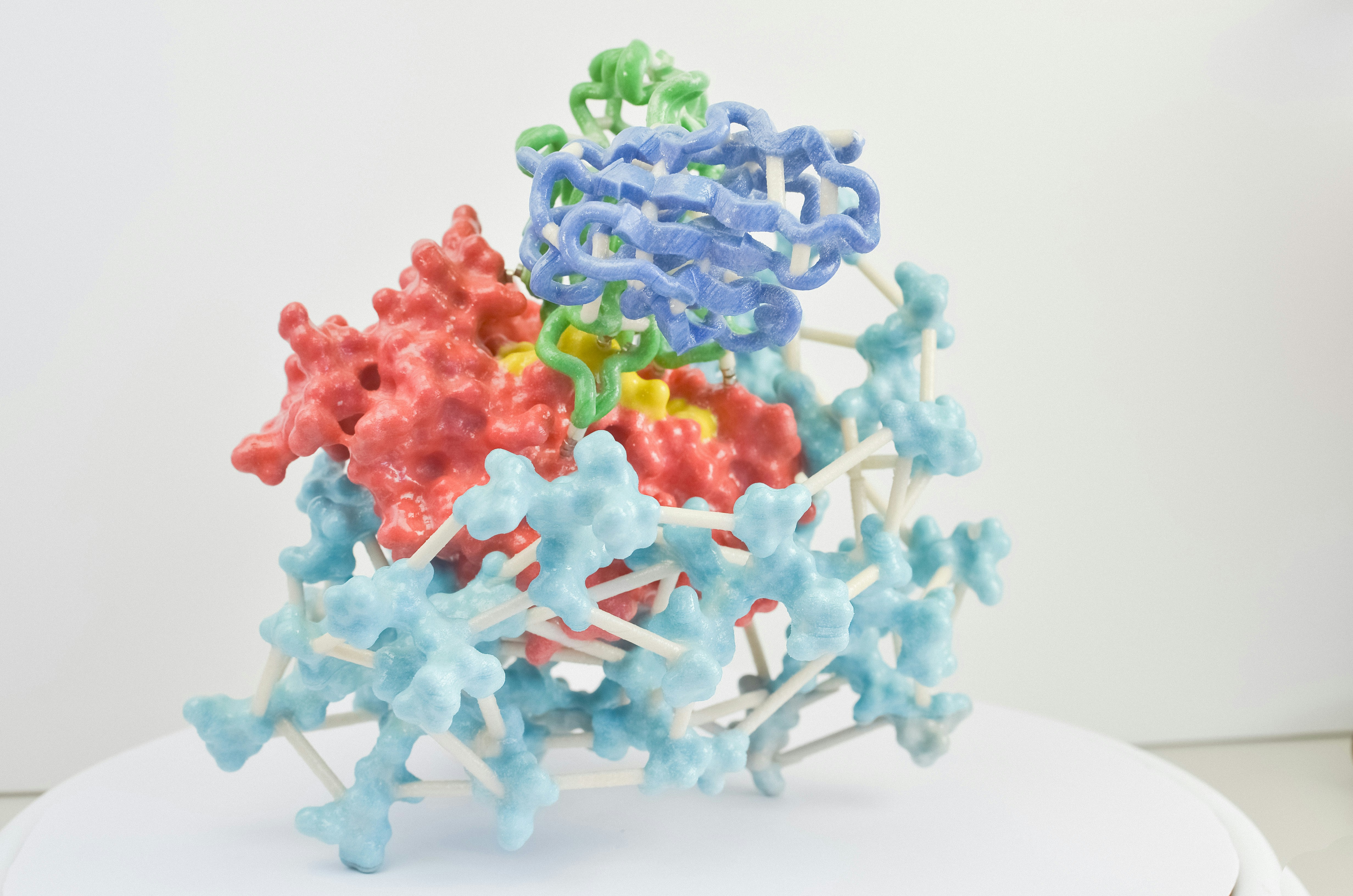
The Red Cell Engineering lab has the largest collection of shark transcriptome data in this region of the world as well as collaborations with the Singapore SEA aquarium and researchers in the field of nano-robotics.
- Shark transcriptome data analysis
- Using transcriptome data from various shark species, we want to study how somatic hypermutations in the shark immunoglobulin genes are generated through an enzyme known as **Activation-Induced Cytidine Deaminase (**AID). The goal is to identify conserved DNA sequences/motifs that are prone to being mutated by AID so as to better design gene editing tools, in this case engineering AID to convert cytosines to guanines, for marine organisms and to better understand adaptive immune system evolution in vertebrates.
- Sharks are cartilaginous fishes and do not possess bones. Immune cells in sharks are not derived from hematopoietic stem cells in the bone marrow as in the case of other vertebrates. The Leydig and epigonal tissues of sharks are known to be the source of immune cells. However, it will be interesting to identify other immune related tissues/organs in sharks from whole tissue transcriptome data by looking for expression of immune related genes in an unbiased manner. This will require extensive analysis of RNA-seq data, building phylogenetic trees, etc.
- We intend to develop a shark naïve nanobody library to screen for binding of nanobodies to specific antigens of the Tuberculosis bacterium as part of a diagnostic kit development. This will incorporate a design, build, test, learn paradigm to iteratively test feasible nanobody constructs with the aid of AI/ML. The first step will be analysis of immune repertoire sequencing data to identify nanobody clonaltypes present in the naive shark immune system.
- computer assisted shark sperm analysis
- Catching sharks from the wild and rearing them in aquariums is a frowned upon trade. It is next to impossible to breed sharks in captivity due to our lack of understanding of how shark breeding works in nature. Rather than capturing sharks from the wild or waiting for captured sharks to reproduce, human assisted shark reproduction is one available option. A crucial aspect of human assisted reproduction is to select for high quality sperms for in situ fertilization. Shark sperms are corkscrew shaped and look nothing like the sperms of other animals, thus commercially available computer assisted sperm analysis tools are not suitable for analyzing shark sperms. We have a large collection of shark sperm video footage courtesy of the SEA aquarium and we would like to develop an automated computer vision system for rating the quality of shark sperms and to understand the physics of shark sperm motility.

b is a shark sperm. Bizarre indeed! Sperm: Comparative Vertebrate - Scientific Figure on ResearchGate.
Qualifications:
- Background in biology, bioinformatics, computational biology, math, statistics, physics, CS or a quantitative field.
- Strong interest in AI/ML, functional genomics, evolutionary genetics, computational biology or bioinformatics analysis.
- Grit, eagerness to learn, independent problem solver, curiosity, drive to succeed.
Project 2. Evolution of long range association between X chromosome regions

The X and Y chromosomes evolved from ordinary autosomes, with pseudoautosomal regions (PAR1 and PAR2) playing key roles in chromosome pairing and recombination during meiosis. While recombination is suppressed across most of the X and Y chromosomes, PAR1 and PAR2 maintain homology and recombination—a process critical for sex chromosome evolution and gene function across sexes.
Linkage disequilibrium (LD) is the non-random association of alleles at different locations on a chromosome. Long-range LD, where associations occur between distant locations, is rare and often signals unique genetic or evolutionary events. The long-range LD between PAR1 and PAR2 on the X chromosome may point to fascinating biological processes.
Using biobank data, we will study the long-range LD between PAR1 and PAR2 to understand their genetic and evolutionary dynamics. Through population genetics and evolutionary models, we will examine how these long-range associations differ across populations and what they reveal about sex chromosome evolution.
Qualifications: